
The Establishment of Filwoha/ Spa Service Enterprise

While there is a wealth of information regarding the founding of Addis Ababa, the accounts presented by various writers show a striking similarity and consensus. This consistency exists because the events took place in the relatively recent past, preventing the true history from being distorted.

The Hot Springs

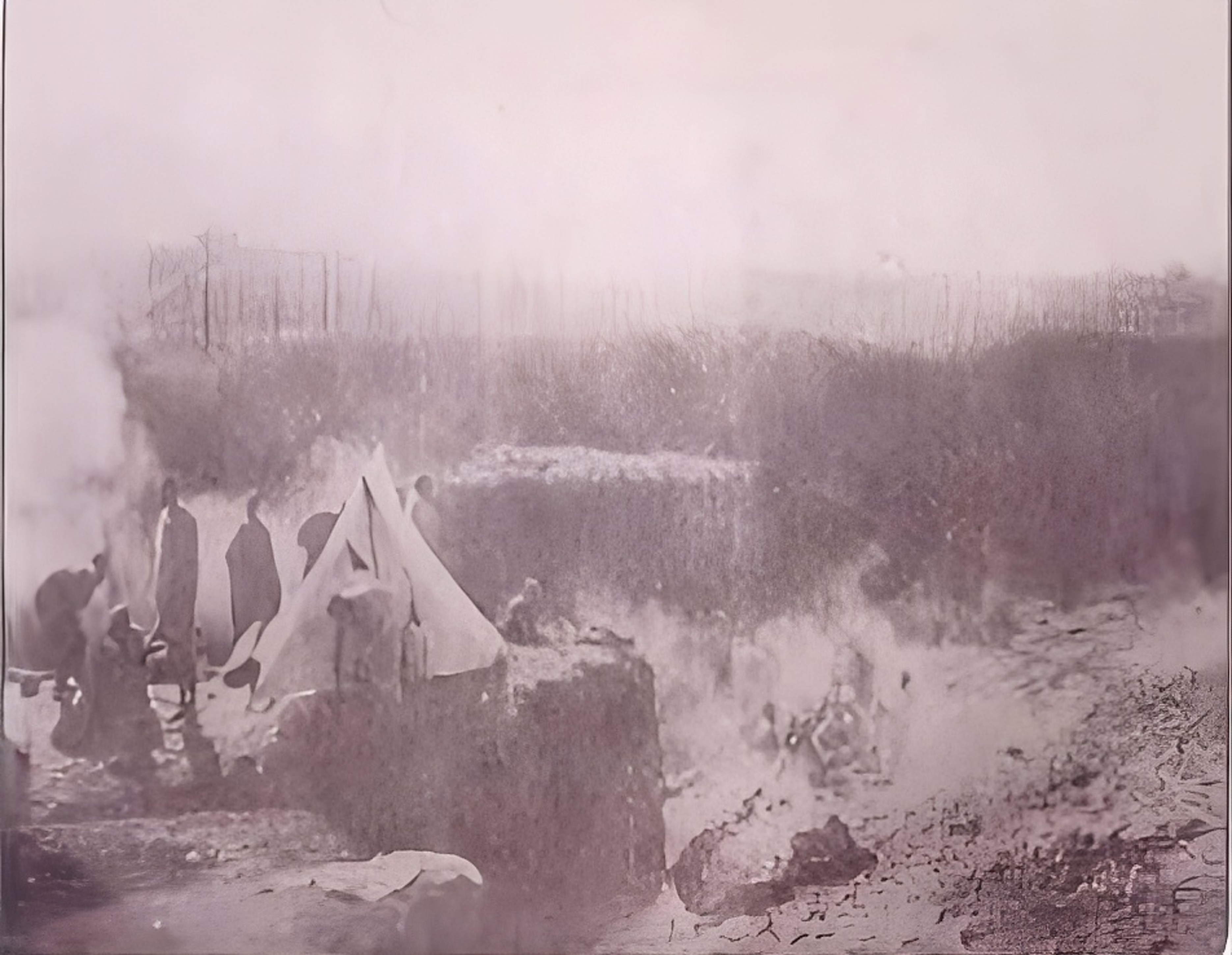
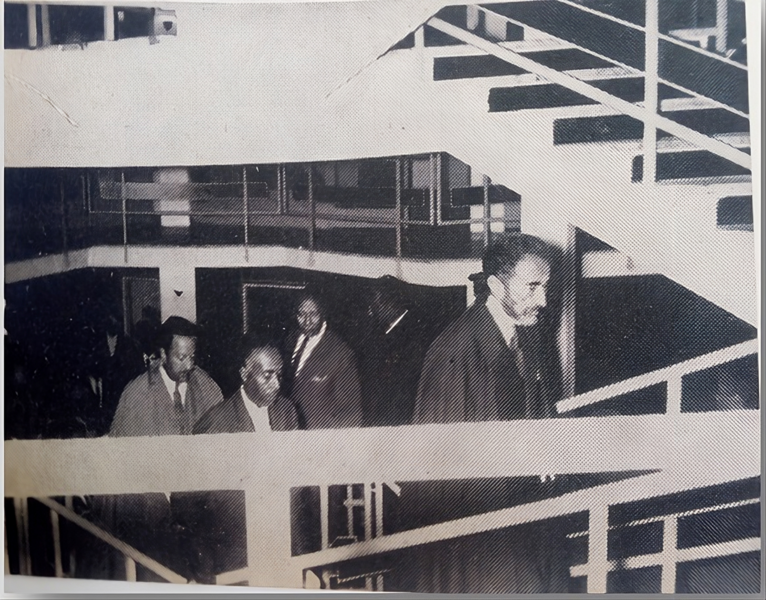
Historical evidence indicates that ancient monarchs, including the more recent King Sahle Selassie, repeatedly visited and rested in Addis Ababa and its surroundings. It is a matter of recent memory that Sahle Selassie spent time in Finfinnee, where he was baptized and utilized the therapeutic hot springs (Filwoha). Public interest, Excellence, Team work, Innovation, Rule of law
History

Furthermore, although Entoto is known today as an adjacent area and an integral part of our capital city, historical records show that past rulers, including Emperor Zara Yaqob, had built fortresses and settled on that very plateau.
Values

Regarding the founding of Addis Ababa, Tsahafe Tezaz Gebre Selassie—the Minister of the Pen for Emperor Menelik II—extensively analyzed the city's establishment and the administration of that era in his book titled Ate Menelik (Emperor Menelik). Similarly, Tajebe Beyene provided deep insights in his publication from some years ago titled Addis Ababa Tenager (Let Addis Ababa Speak).

Timeless Relaxation. Natural Wellness.

The Relocation of the Capital and the Foundation of the Modern filwuha /  Spa Enterprise


  • It is well known that Emperor Menelik II and Empress Taytu Betul, who had moved their royal court from Addis Alem to Entoto at the time, frequently visited the Finfinnee area of Addis Ababa. In particular, Empress Taytu developed a cherished habit of visiting the area to bathe in the therapeutic hot springs (Filwoha). Drawn to this low-lying, warmer region over the chilly heights of Entoto, she secured a promise from Emperor Menelik II upon his return from touring various provinces of his empire. Consequently, a decision was reached to permanently relocate the capital city from Entoto to Finfinnee (Sheger).
  • Following this decision, it was resolved to distribute land to the public around the tents where the Empress, the Emperor, and the nobility used to rest during their visits to the hot springs. Soon, huts and houses began to be constructed systematically based on a plan. While church construction back in Entoto continued uninterrupted, various development plans were designed, and Addis Ababa began to flourish.

  • Simultaneously, it was decided to upgrade and construct improved bathing facilities—commensurate with the standards of the era—so that not only royalty and nobility but also the general public could frequent the hot springs. As a result, people began flocking to Addis Ababa in large numbers, embarking on long journeys from the country’s distant provinces. To accommodate the massive influx of people arriving for the hot springs and holy waters, the local population began building homes and establishing essential services around the Filwoha area.

Geological Context and Modern Institutionalization

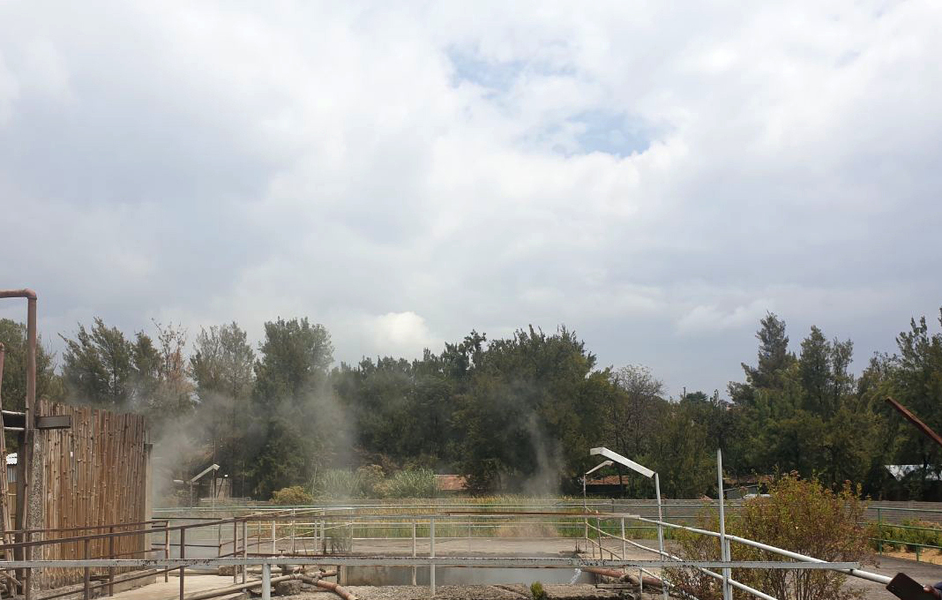
It is scientifically verified that Ethiopia is home to hundreds of hot springs scattered across its various regions. Because the country lies along the Great Rift Valley, which originates near Lebanon in the Middle East, much of its geography is blessed with natural hot springs and diverse mineral waters. These springs contain an indescribable wealth of elements known for their potent therapeutic and medicinal properties, cutting a remarkable natural feature across the landscape. The Addis Ababa hot spring (Filwoha) is one of these select and magnificent blessings.


Spa Service Enterprise

Filwoha Agelglot

Near to National Palace, Addis Ababa

Mon – Sun: 12:00 am – 4:00 pm

Living Here

Useful Links

Spa Enterpise © 2026. All Rights Reserved